Flush Casement Windows with a Seamless Timber Look Finish
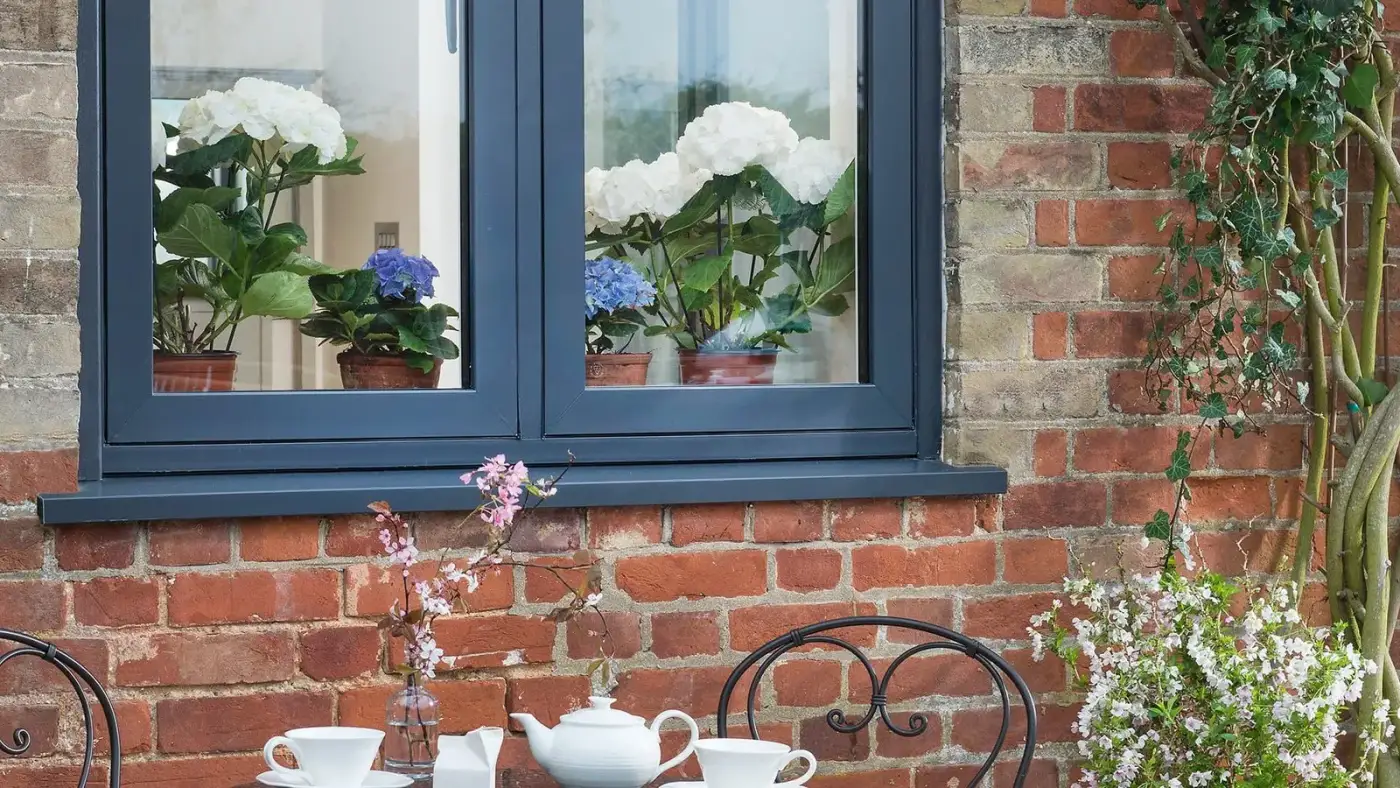
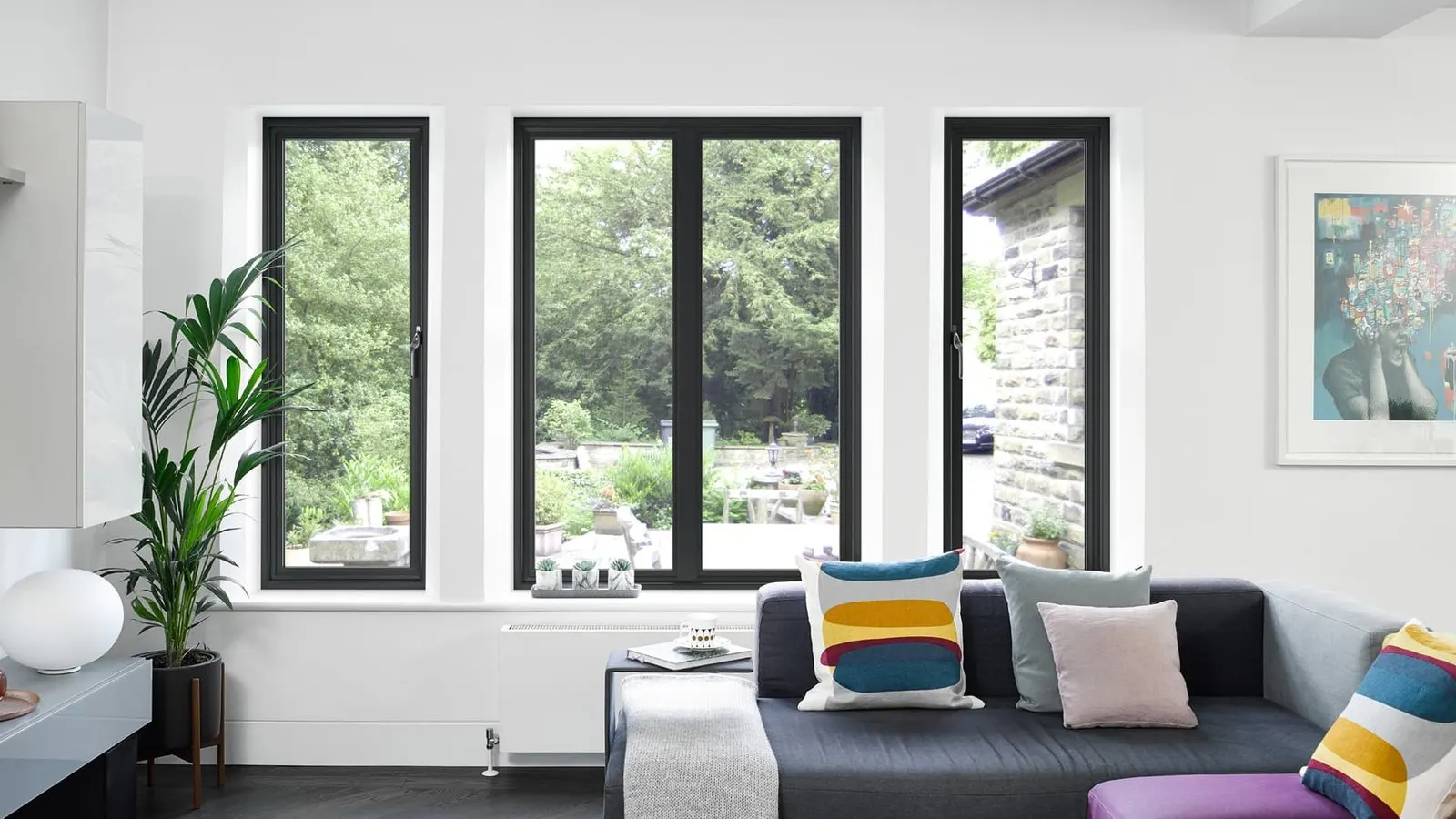
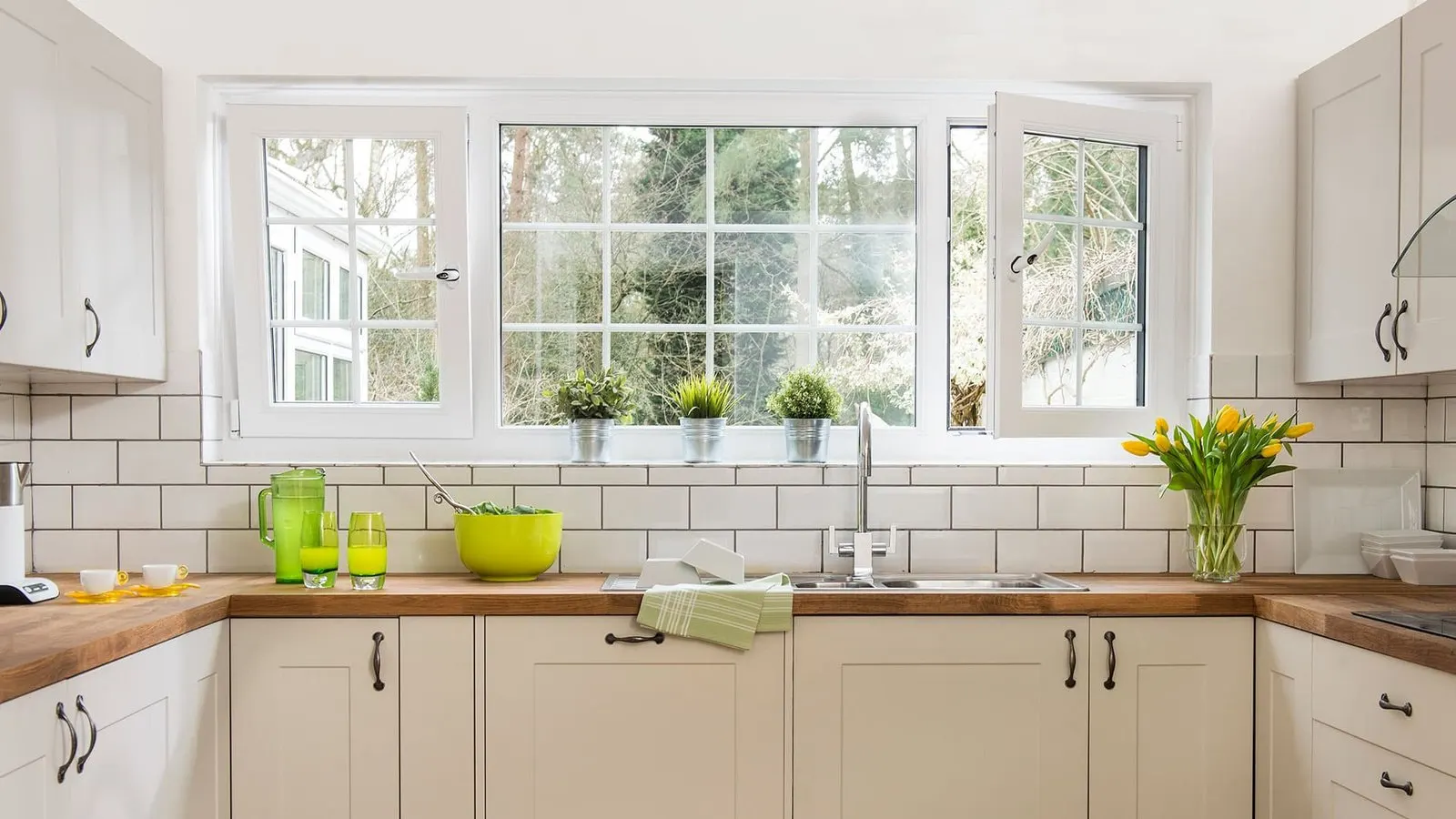
Flush casement windows were designed to look like traditional timber joinery without the upkeep. The opening sash sits level with the outer frame, so there is no stepped lip on the outside, only a clean, flat line. Eurothermal flush casement windows also feature Smoothweld technology, which makes the welded joints at the frame corners almost invisible for a refined, high end look.
The result is a contemporary profile reminiscent of slimline aluminium windows, with the warmth of woodgrain finishes and the benefits of uPVC: double or triple glazing up to A++, multipoint locking and no repainting, ever. Every window is made to measure and fitted by our FENSA certified team with a full product and installation guarantee. We cover Hayes, Hillingdon, Uxbridge, Southall and Yeading.
uPVC flush casement windows
- The sash sits level with the outer frame for a flat finish with no visible lip
- Smoothweld corner joints are almost invisible, closely matching timber and slimline aluminium
- Up to A++ rated double and triple glazing keeps heat in and energy bills down
- Woodgrain and colour finishes look like painted timber but never rot, warp or need repainting
Style and security
- Monkey tail handles and dummy peg stays recreate the look of original timber window hardware
- Multipoint locking engages at several points around the frame to resist forced entry
- Georgian bars and woodgrain foils suit period homes and many conservation area properties
- FENSA certified fitting and a full guarantee give you proof of compliance and lasting cover
01 / Windows
Flush Casement vs Standard Casement Windows: What Is the Difference?
Both styles open outward on hinges and both perform well, so the real difference is how the window looks and how it is made. It is also a surprise to many homeowners that the flush look is the original one. Traditional British casement windows were always flush. The lipped sash only appeared in the middle of the twentieth century to make windows more weatherproof when seals were poor. Modern manufacturing now lets us build flush windows with tight tolerances and strong weather seals, so you get the traditional look without the draughts.
| Flush casement | Standard (lipped) casement | |
|---|---|---|
| Sash position | Sits level with the outer frame | Sits proud of the frame with a visible lip |
| Corner joints | Smoothweld joints, almost invisible | Visible welded diagonal joint |
| Look | Flat, timber look, sleek | Stepped, more obviously uPVC |
| Best suited to | Period homes, 1930s houses, contemporary homes | Most homes where cost is the priority |
| Cost | Usually slightly higher, because it is built to tighter tolerances | Usually lower |
Looking at the standard style? See our uPVC casement windows.
02 / Windows
Which Homes in Hayes Suit Flush Casement Windows?
Flush casements work on far more homes than people expect, because the same profile can look traditional or modern depending on colour, bars and handles.
- Victorian and Edwardian terraces and cottages, where side hung timber casements were standard on side and rear elevations
- 1930s semis, which line many streets across Hayes, Hillingdon and Southall, particularly with Georgian bars and a white or black frame to match the original look
- Homes with leaded or decorative glazing that want the pattern kept without the maintenance of old timber frames
- Contemporary homes, where anthracite grey or black frames with no bars and an inline handle give a slim, minimal window
- Properties where neighbours still have timber windows and you want your frontage to blend in
03 / Windows
The Smoothweld Difference
On a standard uPVC frame the corners show a diagonal welded joint, and cheaper frames can show a rough weld line. Smoothweld is the corner jointing process used on our flush casement range. It cleans the weld so the joint is almost invisible, which is what lets the frame read as one continuous piece, the way a timber frame does.
You see the difference most on windows you stand close to: front facing rooms, bay windows and kitchen windows. This is the detail that separates a window that looks like timber from one that looks like plastic.
04 / Windows
Colours, Handles and Finishing Touches
Because people choose flush casements for how they look, the finishing options matter more here than on a standard window.
- Woodgrain finishes in white, cream and oak tones for a painted or stained timber look
- Anthracite grey, black and other contemporary colours for modern frontages
- Dual colour options with a colour outside and white woodgrain inside to suit your decor
- Monkey tail, teardrop and inline handles in finishes such as chrome, brushed satin, gold and antique black
- Dummy peg stays for a fully authentic heritage appearance
- Georgian and cottage bars, and decorative glass, to match original glazing patterns
05 / Windows
Energy Efficiency and Weather Performance
- Up to A++ rated double and triple glazing delivers low U-values and lower heating bills
- Tight manufacturing tolerances and strong weather seals keep draughts out around the sash
- Multichamber uPVC profiles trap air to reduce heat loss through the frame
- Trickle vents control condensation without opening the window
We will also tell you if flush is not the best fit. A lipped casement sheds water slightly better, so it can suit a very exposed position such as a high, windswept elevation. For the typical suburban home across Hayes and West London, a flush casement performs very well.
06 / Windows
Flush Casement Windows in Conservation Areas and Period Homes
Replacement windows in a conservation area, or on a listed building, can need approval before you start, and the rules differ by property and by council. Hillingdon has a number of conservation areas, so check with your local planning authority first. Flush casements are often the more sympathetic choice because the flat profile closely follows the proportions of original timber windows, but approval is never guaranteed.
- We design to match original proportions, bar layouts and hardware as closely as possible
- We can talk you through what to check with the council before you order
- Listed buildings need consent, and we recommend confirming this before any survey
07 / Windows
Flush Casement Window Installers Near You in Hayes
Eurothermal Glazing is based at 25 Chaucer Avenue, Hayes, Middlesex, UB4 0AP. We fit uPVC flush casement windows across West London, including:
- Hayes UB3 and UB4
- Southall UB1
- Norwood Green UB2
- Northolt UB5
- Greenford UB6
- West Drayton UB7
- Uxbridge UB8
- Denham UB9
- Hillingdon UB10
- Yeading and Harlington
If you cannot see your area, call +44 7555 398335 and we will confirm coverage before booking your free survey.
How It Works
From your first enquiry to installation and aftercare, we keep each stage clear and straightforward.
About Us-
1
Tell Us About Your Project
Tell us what you want to replace or install and where the property is located.
-
2
Technical Survey
Where required, we measure the openings and assess the practical requirements of your property.
-
3
Confirm Your Specification
Choose the frame material, glazing, opening style, colours, finishes and hardware.
-
4
Made to Measure
Your selected windows or doors are produced to the agreed dimensions and specification.
-
5
Installation & Aftercare
Our team completes the installation, checks the finished system and remains available for aftercare.
Frequently Asked Questions
Ask Us a QuestionWhat is a flush casement window?
A flush casement window, also called a flush sash window, has an opening sash that sits level with the surrounding frame, so there is no lip on the outside. This gives a smooth, flat finish that closely matches traditional timber joinery.
What is the difference between flush and storm casement windows?
A storm casement is lipped, meaning the opening sash sits proud of the frame, while a flush casement sits level with the frame. Both open outward on hinges. The lipped design sheds water slightly better, while the flush design looks more traditional and has become popular on modern homes for its sleek lines.
Are flush casement windows more expensive?
They usually cost a little more than standard casement windows because the sash and frame are built to tighter tolerances. One independent UK price guide puts a fitted uPVC flush casement at roughly £500 to £1,050 per window, compared with about £400 to £950 for a standard uPVC casement. Colour and woodgrain finishes often change the price more than the style, so book a free survey for an exact figure.
Are flush casement windows suitable for period homes?
Yes, flush casements suit period homes because the flat, level profile closely copies timber joinery. With a woodgrain foil, Georgian bars and a traditional handle, a flush casement can look right on a Victorian, Edwardian or cottage style property.
Do flush casement windows suit 1930s houses?
Yes, many 1930s semis were built with timber or steel casement windows, often with a bay and decorative glazing. A flush casement with Georgian bars and a white or black frame is one of the closest modern matches, and these homes are common across Hayes, Hillingdon and Southall.
Are flush casement windows as weatherproof as standard casements?
For most homes, yes. Modern flush casements are built with tight tolerances and strong weather seals, so they keep out draughts and rain well. A lipped casement sheds water slightly better, which only matters in very exposed positions, and we will tell you honestly if that applies to your property.
What is Smoothweld?
Smoothweld is the corner jointing process used on our flush casement windows. It finishes the welded corners so the joint is almost invisible, which gives the frame the continuous look of timber or slimline aluminium.
Can flush casement windows have Georgian bars, monkey tail handles and dummy peg stays?
Yes, these details are popular on flush casements because they recreate the look of original timber windows. We will talk through bar patterns and hardware finishes at your survey.
Can I fit flush casement windows in a conservation area?
Often yes, but it depends on your property and your council, and listed buildings need consent. A flush casement is frequently seen as the more sympathetic option because it matches the flat profile of original timber windows. Check with your local planning authority before you order.