
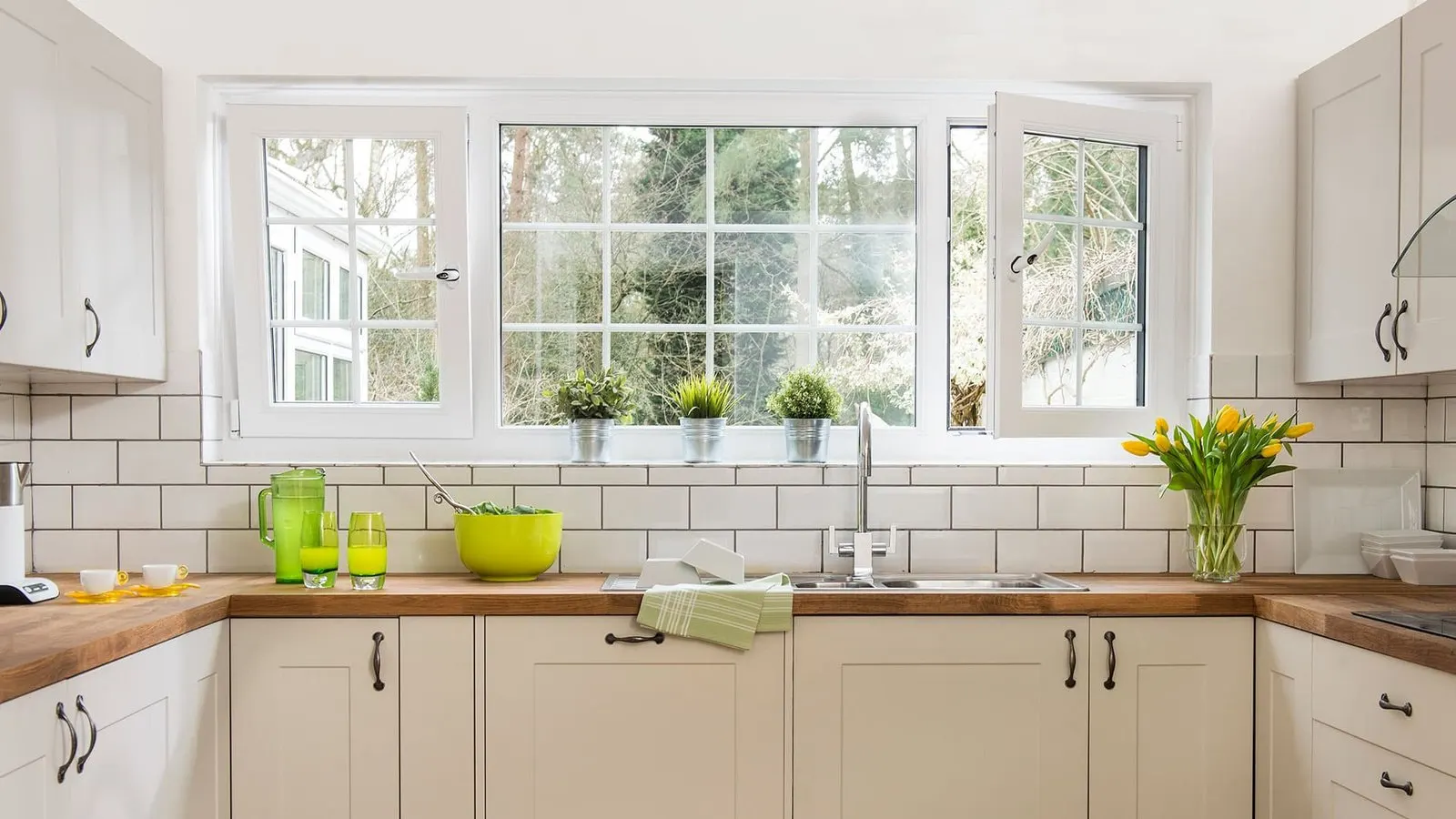
Tilt and Turn Windows for Safe Ventilation and Easy Cleaning
Tilt and turn windows have long been the standard window across much of Europe, and they are fast becoming a favourite in UK homes. A single handle gives you two positions: tilted open at the top for gentle, secure ventilation, or turned open fully like a door. Because the sash opens inwards, you can clean both sides of the glass from inside the room, which makes them ideal for upstairs windows, flats and extensions.
Our tilt and turn windows are made to measure in uPVC or slim aluminium, with multipoint locking and high performance double or triple glazing. Every window is fitted by our FENSA certified team with a full product and installation guarantee, across Hayes, Hillingdon, Uxbridge, Southall and Yeading.
uPVC tilt and turn windows
- Affordable, low maintenance frames that never need painting, in colour and woodgrain finishes
- Up to A++ rated double and triple glazing keeps heat in and energy bills down
- Multichamber construction and multipoint locking give strong, secure everyday performance
- A neat, modern profile that suits extensions, flats and contemporary homes
Aluminium tilt and turn windows
- Slim thermally broken frames let in more daylight and give a sleek, modern look
- Powder coated in contemporary colours including anthracite grey and black
- Strong, durable frames suit large sashes and tall openings
- No painting, rusting or warping, so upkeep is just a wipe down
01 / Windows
How Tilt and Turn Windows Work
A tilt and turn window has one handle and three positions, so it is simple to use once you have tried it.
- Handle down: the window is closed and locked at several points around the frame
- Handle sideways: the window turns, swinging fully inwards on its side hinges like a door
- Handle up: the window tilts, opening a gap at the top for safe, draught free ventilation
A tilt restrictor limits how far the window can open in tilt mode, so nobody can reach in from outside. In turn mode, both sides of the glass are within reach, so you can clean the outside without a ladder.
02 / Windows
Tilt and Turn vs Casement Windows
If you are choosing between the two, this is how they compare in everyday use.
| Tilt and turn | Casement | |
|---|---|---|
| How it opens | Inwards, either tilted at the top or swung like a door | Outwards on side or top hinges |
| Cleaning | Both sides from inside | Outside needs easy clean hinges or access |
| Ventilation | Secure tilt position for ventilation, even when you are out | Opens outward, can be fitted with restrictors |
| Space needed | Clear space inside for the sash to swing | Clear space outside, no interior swing |
| Curtains and blinds | Needs thought, see below | Not affected |
| Typical cost | Usually £50 to £200 more per window | Lower |
| Best suited to | Upper floors, flats, extensions, modern homes | Most homes, including period properties |
03 / Windows
Tilt and Turn Windows as Fire Escape Windows
Bedrooms above the ground floor usually need a window that can serve as a way out in a fire. In turn mode a tilt and turn window opens fully inwards with no outward swing to obstruct the exit, which makes it a strong choice for escape windows.
- Building Regulations ask for a clear, unobstructed opening of at least 0.33 square metres, at least 450mm high and 450mm wide, with the bottom no more than 1100mm above the floor
- We measure the clear opening of every window on survey, because the frame and hinge position reduce the usable size
- Larger sashes usually meet the requirement more easily than small ones
- We will tell you at survey if a particular window would not comply, so there are no surprises
04 / Windows
Where Tilt and Turn Windows Work Best
- Upstairs windows, because you can clean the outside from inside without a ladder
- Flats and apartments, where outside access is limited
- Modern extensions, where a sleek, minimal window suits the design
- Rooms that need secure overnight ventilation, thanks to the tilt position
- Homes beside busy roads or flight paths, because the sash closes tightly against the frame seals, which helps reduce noise
05 / Windows
When Tilt and Turn Is Not the Right Choice
We would rather tell you honestly, so you choose the right window.
- Period frontages, where a sash or flush casement window usually looks more authentic
- Rooms where furniture, deep worktops or taps sit close to the window, because the sash swings in
- Ground floor windows where you often leave a window open while out, since a fully turned sash is a security risk and tilt mode should be used instead
- Tight budgets, since the more complex hardware costs more than a standard casement
06 / Windows
Curtains, Blinds and Furniture
Because the sash swings into the room, it helps to plan around it.
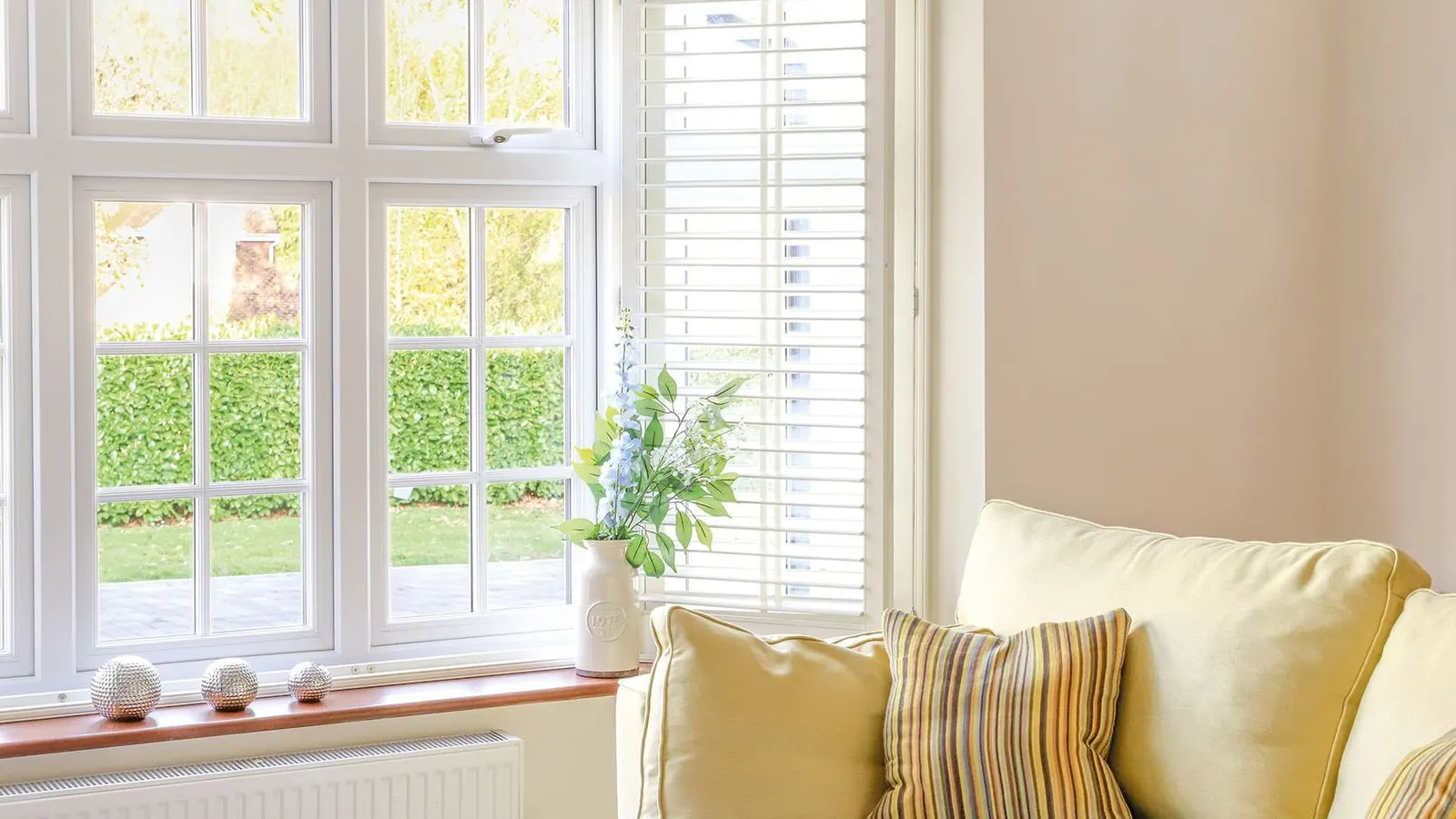
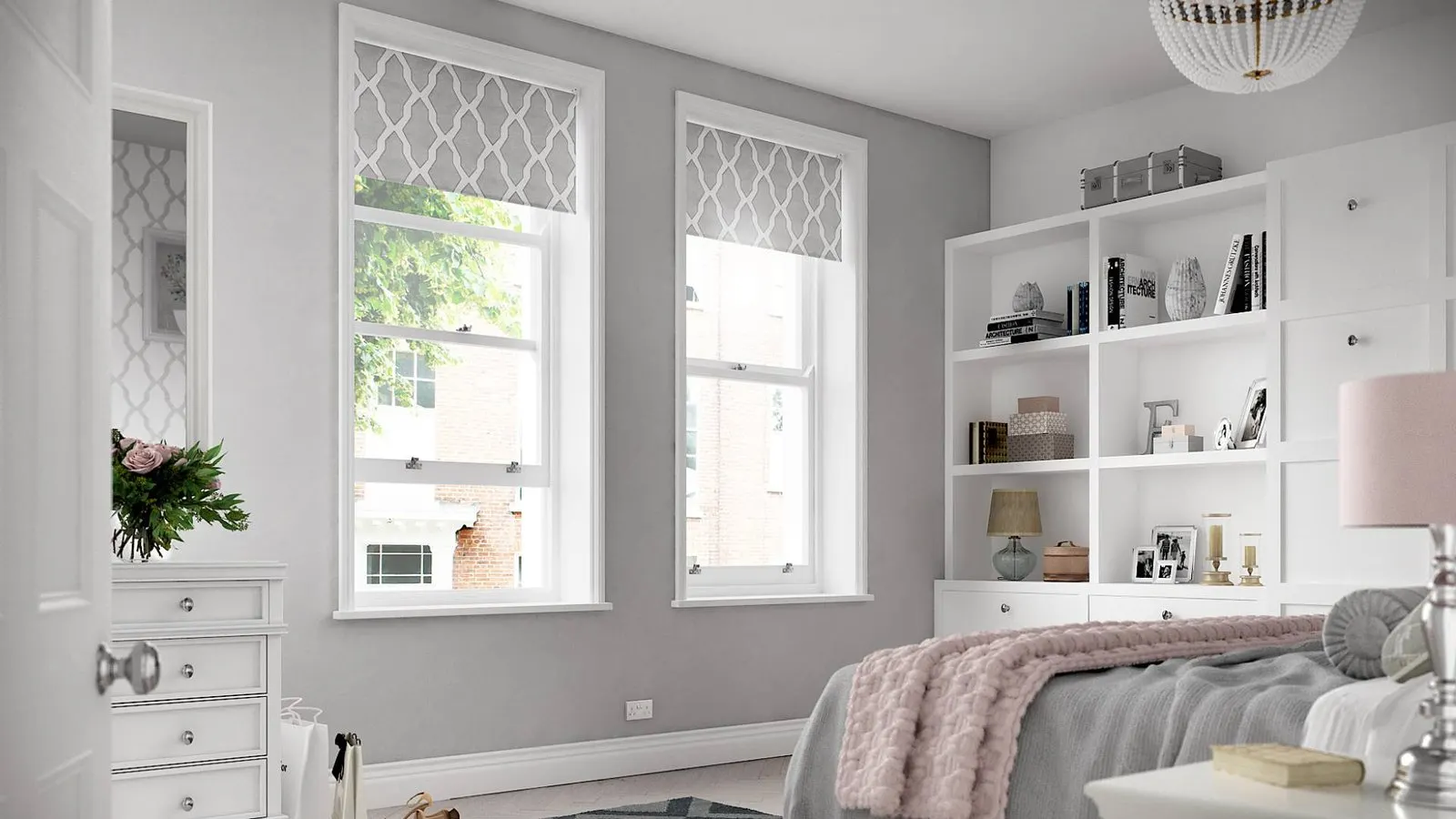
- Roller blinds and external blinds mounted above the window work very well
- Venetian and Roman blinds inside the reveal can stay in place in tilt mode but must be lifted or moved before turning the window fully open
- Curtains that hang clear of the sash, or are tied back, avoid snagging
- Keep the windowsill clear of ornaments, and leave room for the sash to swing
07 / Windows
Security, Energy Efficiency and Finishes
- Multipoint locking engages at several points around the frame, so the whole sash is clamped to the frame when closed
- Key locking handles are available to prevent unwanted opening
- Tilt mode leaves only a narrow gap at the top, so the window is secure while ventilating
- Up to A++ rated double and triple glazing, with compression seals all round the sash
- uPVC in colour and woodgrain finishes, or aluminium in any contemporary colour, including dual colour options
08 / Windows
Tilt and Turn Window Installers Near You in Hayes
Eurothermal Glazing is based at 25 Chaucer Avenue, Hayes, Middlesex, UB4 0AP. We make and fit tilt and turn windows across Hayes, from Hayes Town, Botwell, Hayes End and Wood End to Yeading, and throughout West London, including:
- Hayes UB3 and UB4
- Southall UB1
- Norwood Green UB2
- Northolt UB5
- Greenford UB6
- West Drayton UB7
- Uxbridge UB8
- Denham UB9
- Hillingdon UB10
If you cannot see your area, call +44 7555 398335 and we will confirm coverage before booking your free survey.
How It Works
From your first enquiry to installation and aftercare, we keep each stage clear and straightforward.
About Us-
1
Tell Us About Your Project
Tell us what you want to replace or install and where the property is located.
-
2
Technical Survey
Where required, we measure the openings and assess the practical requirements of your property.
-
3
Confirm Your Specification
Choose the frame material, glazing, opening style, colours, finishes and hardware.
-
4
Made to Measure
Your selected windows or doors are produced to the agreed dimensions and specification.
-
5
Installation & Aftercare
Our team completes the installation, checks the finished system and remains available for aftercare.
Frequently Asked Questions
Ask Us a QuestionHow do tilt and turn windows work?
A tilt and turn window has a single handle with three positions. With the handle down, the window is closed and locked. Turned sideways, the whole sash swings inwards like a door, and turned upwards, the top of the sash tilts inwards for secure ventilation.
Can tilt and turn windows be used as a fire escape?
Yes, in turn mode the sash opens fully inwards, which usually gives a clear opening that meets Building Regulations for an escape window. The opening must be at least 0.33 square metres, at least 450mm high and wide, with the bottom no more than 1100mm above the floor. We check every bedroom window on survey.
How much do tilt and turn windows cost?
Independent UK price guides put a fitted tilt and turn window at roughly £450 to £1,200, depending on size and material. FMB's 2026 guide gives roughly £670 to £835 for uPVC and £875 to £1,085 for aluminium in common sizes. They typically cost about £50 to £200 more than a comparable casement. These are national guide figures, not a Eurothermal quote, so book a free survey for an exact price.
Are tilt and turn windows secure?
Yes, they are generally very secure. In tilt mode the opening is only a narrow gap at the top, and the sash is held by multipoint locking at several points when closed. Key locking handles are available for extra protection.
What are the disadvantages of tilt and turn windows?
They need clear space inside for the sash to swing, so curtains, blinds, furniture or taps close to the window can get in the way. They cost more than a standard casement, and the more complex hardware is dearer to repair. Their modern look also suits period frontages less well than a sash or flush casement window.
Can you have blinds and curtains with tilt and turn windows?
Yes, with a little planning. Roller blinds and external blinds mounted above the window work well, and inside blinds can stay in place in tilt mode. Venetian or Roman blinds fitted inside the reveal must be moved before you turn the window fully open, and curtains are best tied back or kept clear of the sash.
Are tilt and turn windows more energy efficient than casement windows?
They can be slightly more airtight because the sash closes against compression seals all the way round, but the real difference comes from the frame, glazing and fitting, so a good casement performs very similarly. Both are available with up to A++ rated double or triple glazing.
Do you offer tilt and turn windows in uPVC and aluminium?
Yes, we make tilt and turn windows in both uPVC and slim aluminium, in double or triple glazing. uPVC is more affordable and low maintenance, while aluminium has slimmer frames and a wider colour choice.